
Do you receive income from residential lettings?
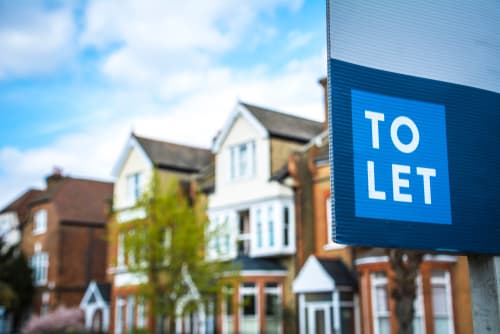
If you receive income from residential lettings then you need to declare it on your tax return. Yes you do! No arguing!
We often hear people saying “but my husband declares the income on his so I don’t”, yet they own the property together.
Unfortunately, this isn’t the case.
Do you personally own a property which creates an income?
If you do, you’ll need to declare it on your tax return and you’ll be charged tax on this income.
Well, that’s unless your income is less than £1,000… that figure is known as your ‘property allowance’ and it’s tax free!
Unfortunately, as soon as your property rental income is between £1-000-£2,500 a year, you need to contact HMRC. Once you earn over £2,5000, you are legally obliged to report it on a Self Assessment tax return.
Did you know there are different tax rules for different types of property?
That’s right! There are different rules for residential properties, furnished holiday lettings and commercial properties – it’s important to determine which rules apply to you.
When it comes to owning residential properties, you or your company are required to pay tax on the profit you make from renting out the property, once deductions are made for ‘allowable expenses’.
These ‘allowable expenses’ are things you need to spend money on in the day-to-day running of the property. Some of these include:
Letting agent’s fees
Legal fees for lets of a year or less
Accountants’ fees
Buildings and contents insurance
Maintenance and repairs to the property (not including improvements)
Utility bills, like gas, water and electricity
Rent, ground rent and service charges
Council Tax
Paid services, like cleaning or gardening
Any other direct costs of letting the property, such as phone calls and advertising
Clued up?
If you’re not sure what you need to be paying, we’re more than happy to help…
Want someone to do it for you?
We’re here…